Collection
Decorative Cushions
Square, lumbar and bolster forms for changing the scale, colour and texture of sofas, armchairs and beds. Each design states its dimensions, outer material, closure and practical care route.
View CollectionThe palette foldout
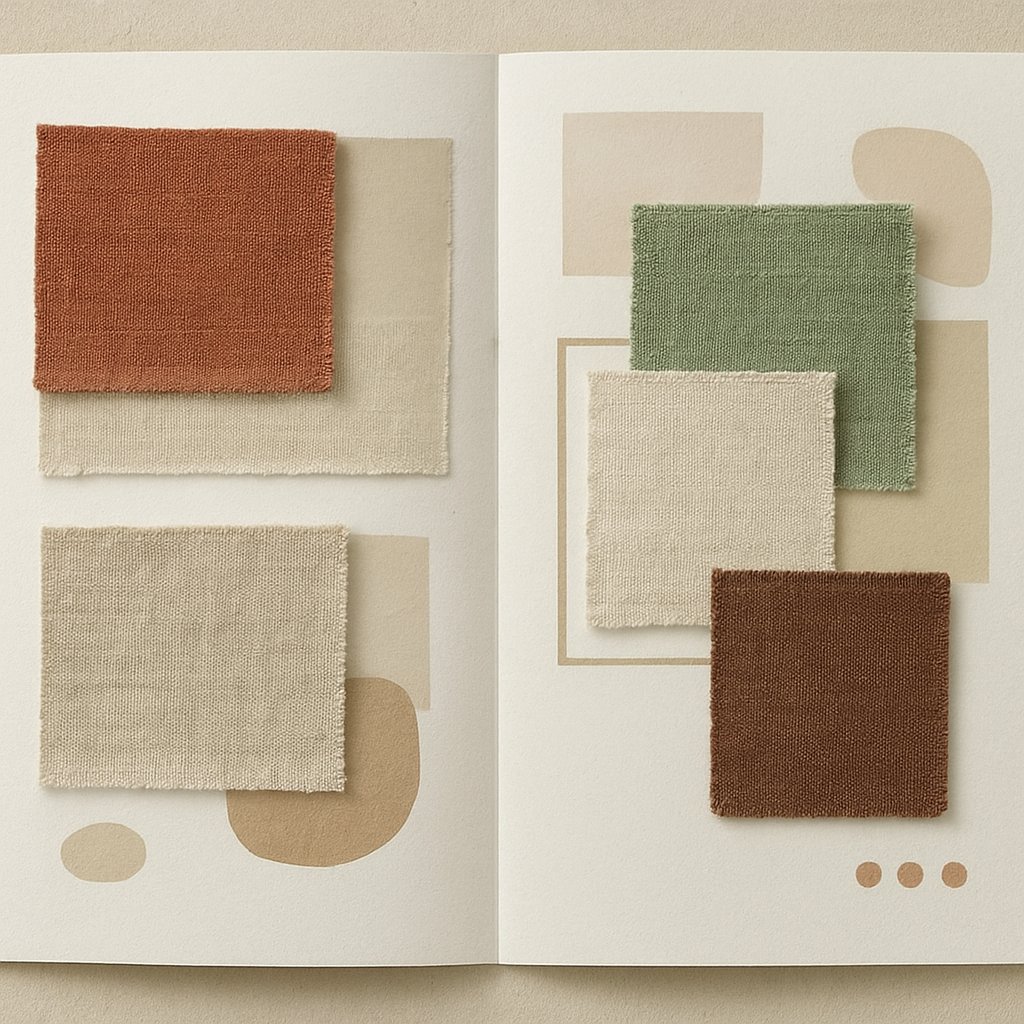
Good textile layering begins with the furniture dimensions and the role each piece needs to play. This guide turns scale, shape, colour and drape into a repeatable way to compare the KOALA KREATIONS range.
Collection
Square, lumbar and bolster forms for changing the scale, colour and texture of sofas, armchairs and beds. Each design states its dimensions, outer material, closure and practical care route.
View Collection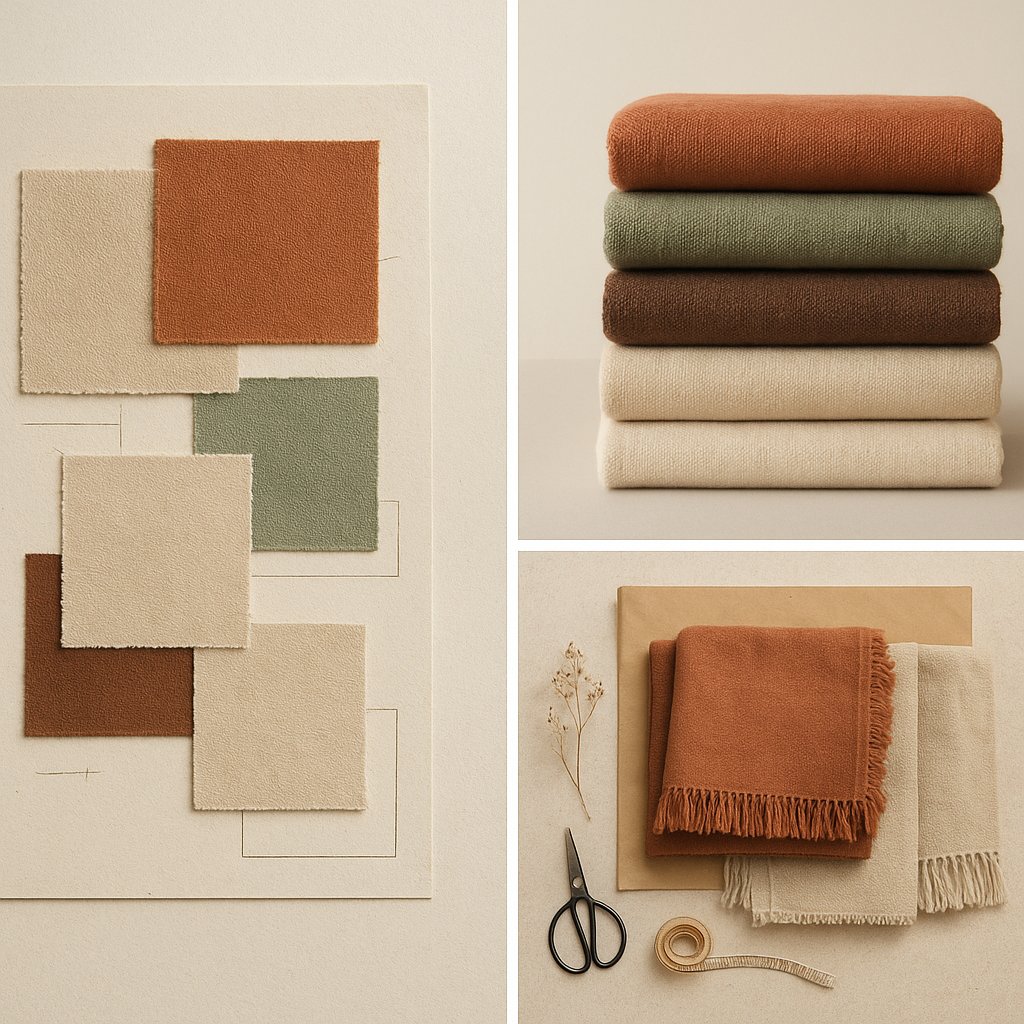
Collection
Woven, waffle, brushed and ribbed layers sized for armchairs, sofas and beds. Compare dimensions, handle and fold before choosing a decorative layer for warmth or visual balance.
View CollectionMeasure the usable width and depth rather than the widest outside edges. On a sofa, the available sitting area matters because a generous rear cushion can reduce seat depth; on a bed, note the mattress width and how much of the coverlet should remain visible.
Compare those figures with the dimensions on each product page. A 50 cm square has a different visual and practical footprint from a 40 cm square, while a 150 cm-wide throw creates broader folds than a compact 120 cm layer.
Photographs help with colour and texture, but screen settings and room light can affect appearance. Use the written material, construction and dimension details as the consistent comparison points when assembling a basket.
Each combination creates a different rhythm, even when the colours stay within the same palette.
Place a 35 x 55 cm lumbar in front of a 50 cm square to make the two outlines clearly distinct and keep the arrangement horizontally balanced.
Layer a 40 cm square in front of a 45 cm cushion when you want a compact, familiar shape change without adding another silhouette.
Use a 20 x 50 cm bolster against square cushions or a deep sofa back to create a firm horizontal line and a change in construction.
On a smaller chair, one well-scaled cushion and a neatly folded 120 or 130 cm-wide throw may feel clearer than several competing pieces.
Treat the palette as a sequence, not a requirement to match every textile.
Identify the dominant upholstery, bedding or wall tone before selecting a new accent colour.
Use oat or chalk to relate a stronger terracotta, sage or cocoa piece to the room's lighter surfaces.
Combine a smooth cotton face with boucle, ribbed or waffle texture so similar tones remain visually separate.
If every layer asks for attention, remove or relocate one item and check whether the composition becomes easier to read.
Browse dimensions and construction across both collections, then add the pieces that fit your measured space to the basket.
Related products
A few catalogue examples that connect the guidance, process, or service topic to the actual storefront.
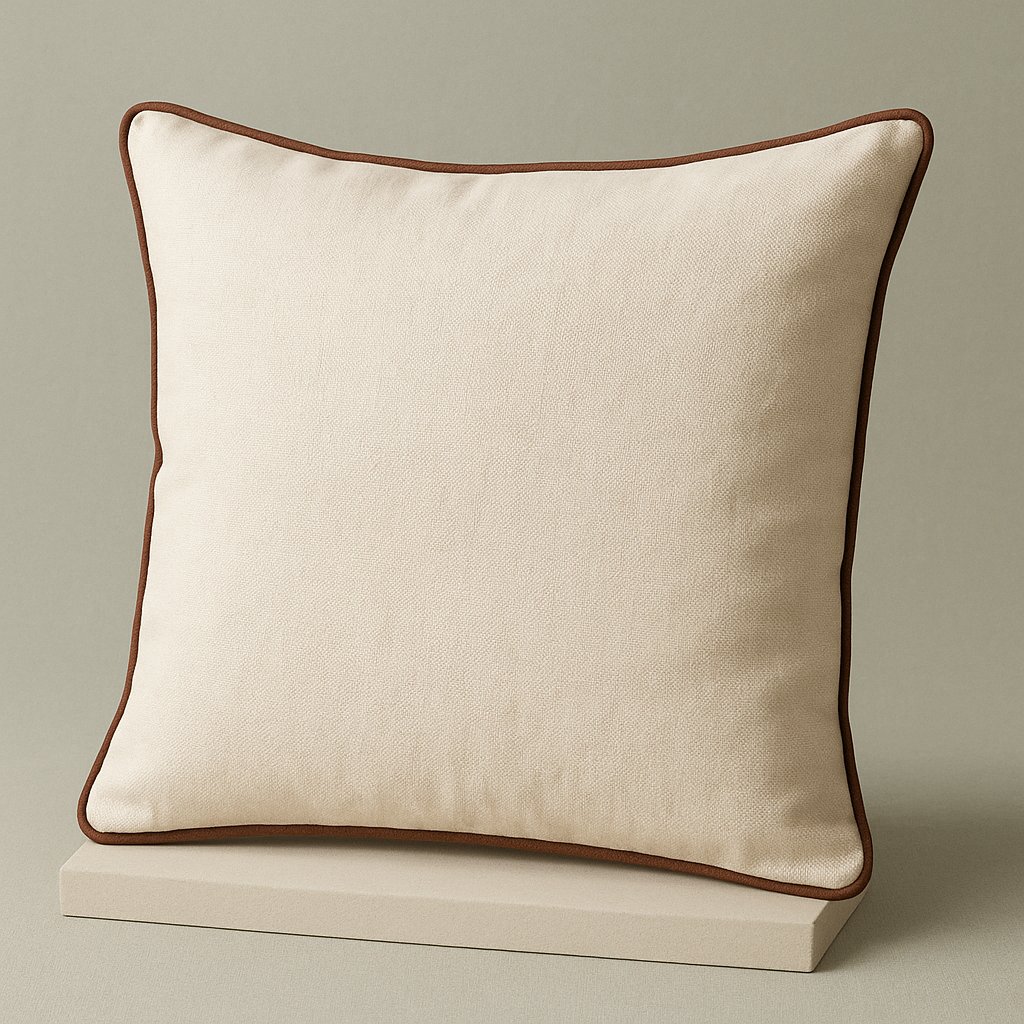
A compact 40 x 40 cm cotton cushion with cocoa contrast piping around a chalk face.
£32.00
View product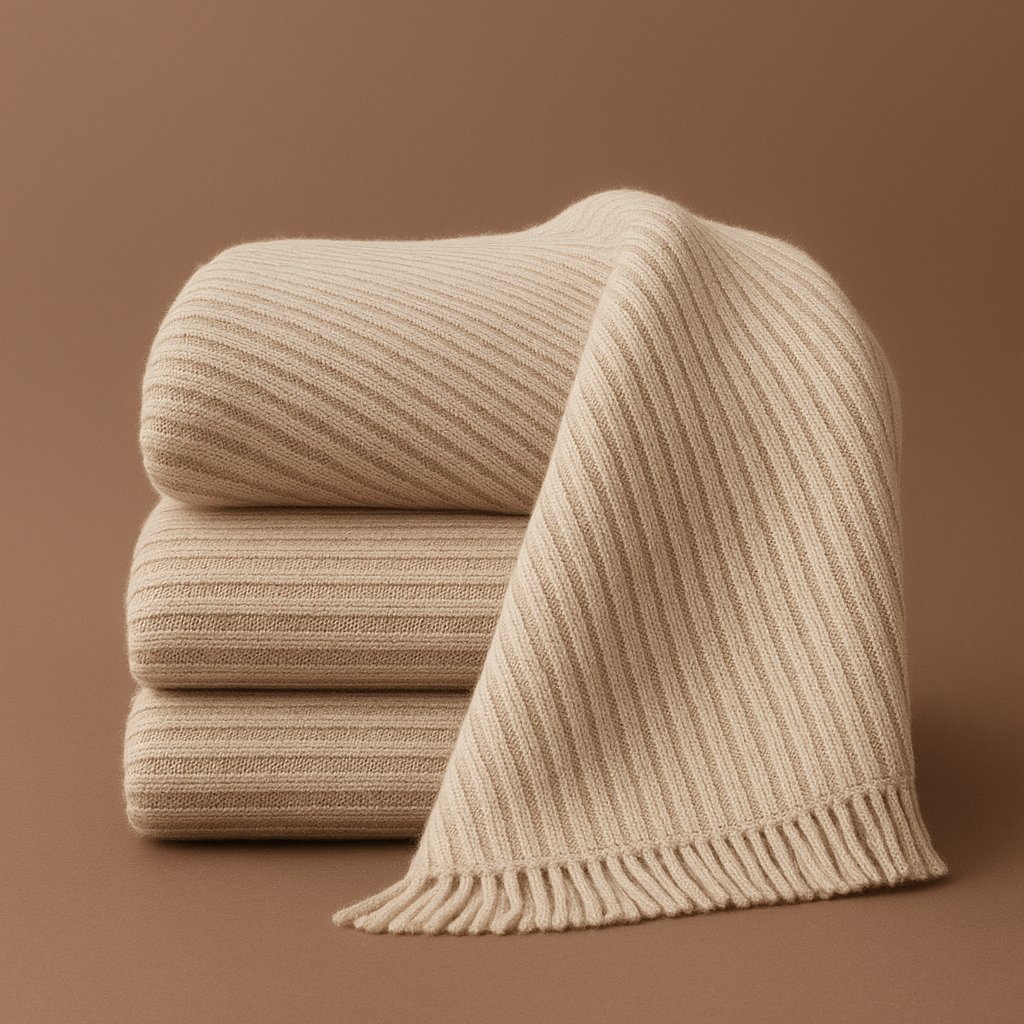
A 150 x 200 cm oat throw with broad woven ribs and a substantial folded profile.
£78.00
View product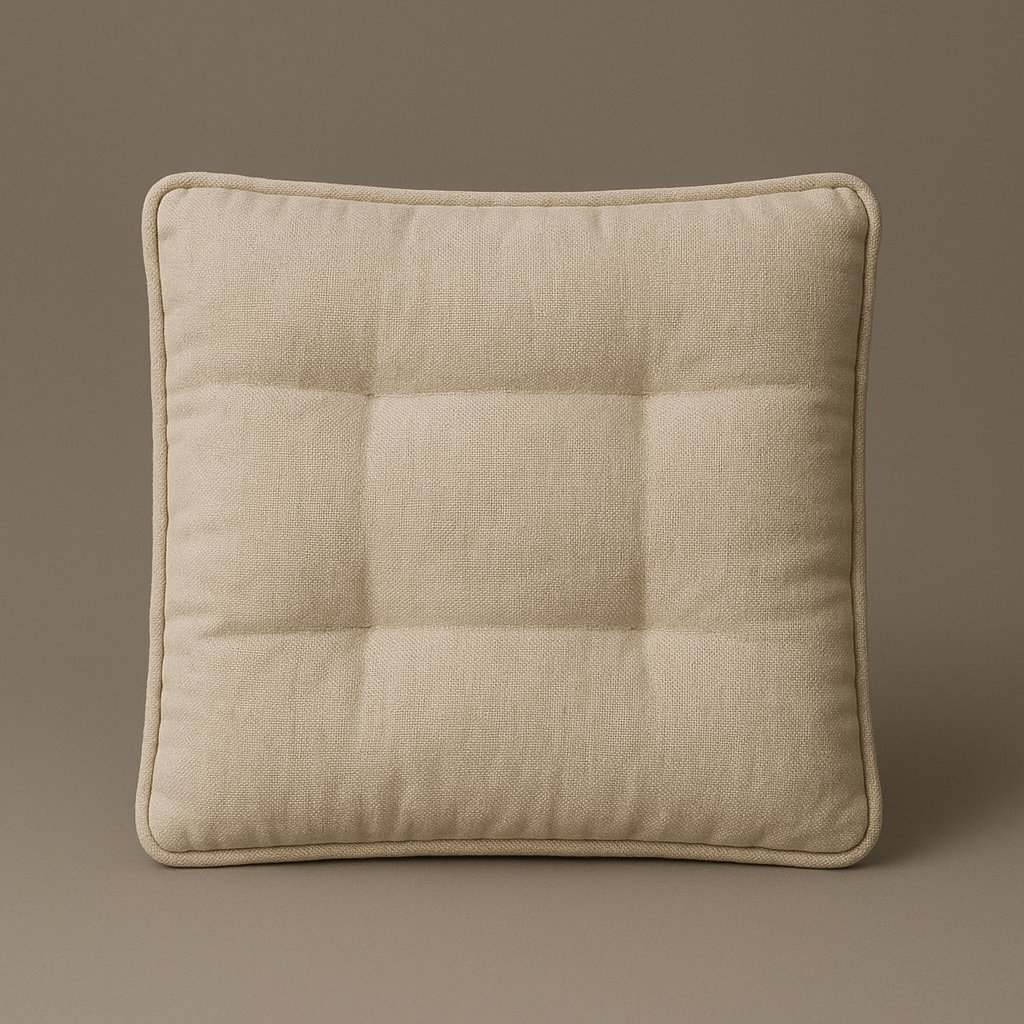
A generous 50 x 50 cm cushion with an oat woven face and restrained linear tufting.
£46.00
View productBasket
0 items in cart
Your cart is saved in this browser until you clear it. Need help now? Contact us on +441454 322698.