View product
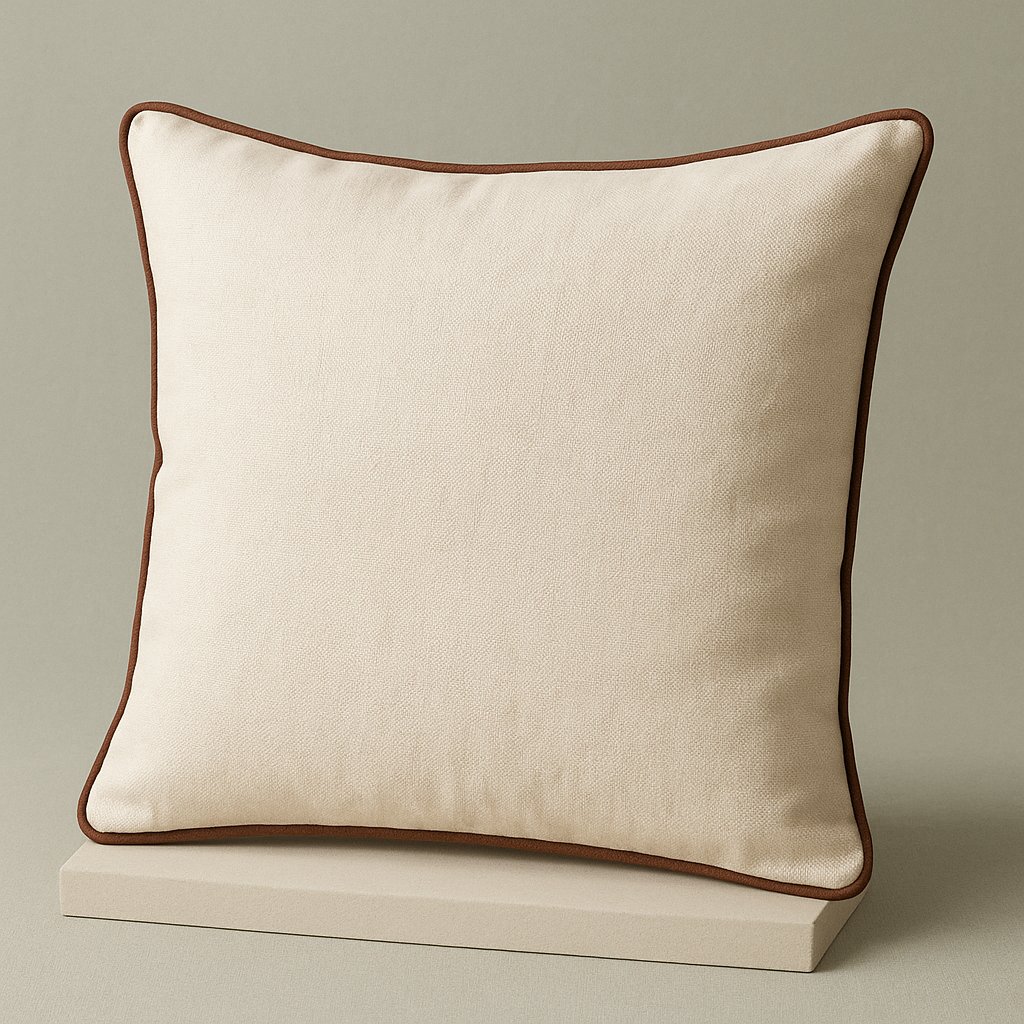
Chalk Piped Cotton Cushion
A compact 40 x 40 cm cotton cushion with cocoa contrast piping around a chalk face.
View productCare-label sequence
Different weaves, fringes, covers and constructions need different handling. Begin with the sewn product label, then use gentle routine care and dry storage to help each decorative textile keep its intended shape.
View product
A compact 40 x 40 cm cotton cushion with cocoa contrast piping around a chalk face.
View product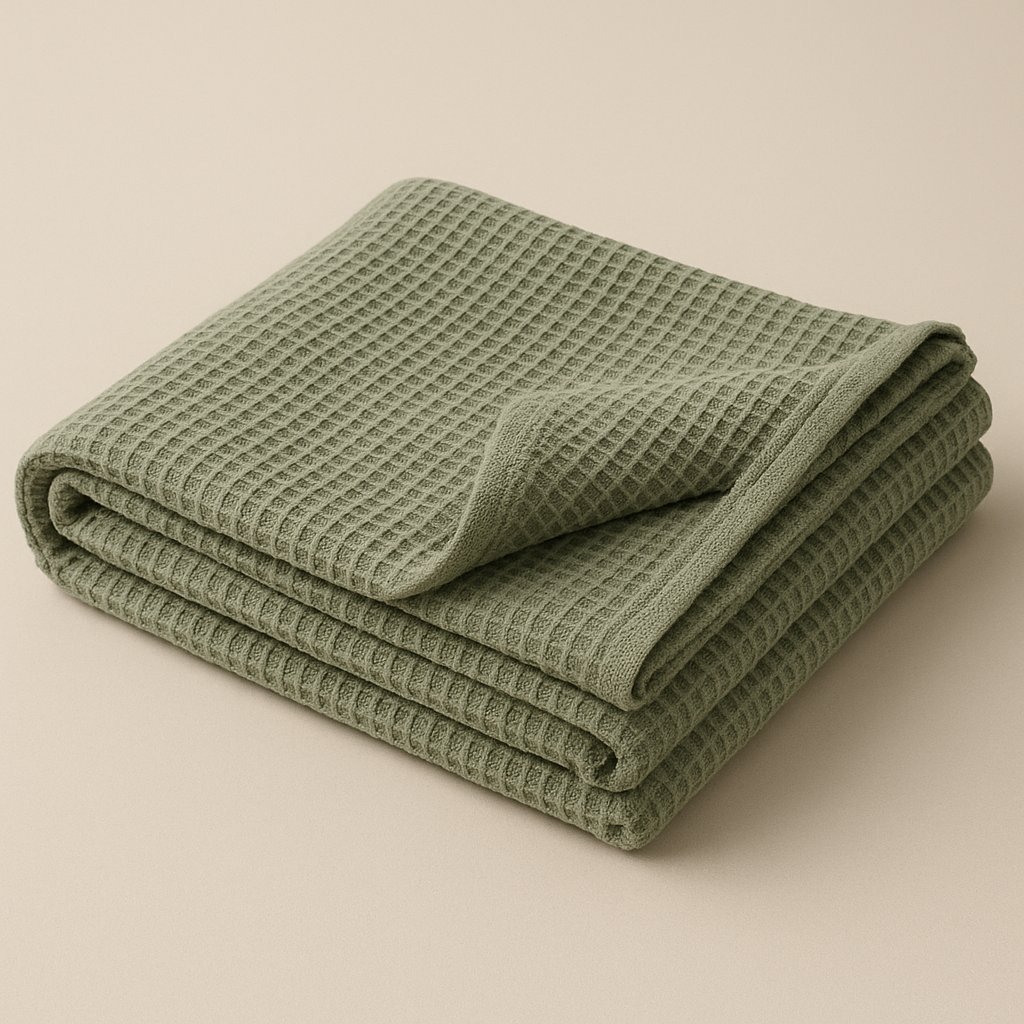
View product
A 140 x 200 cm sage throw with an open waffle texture and clean woven hems.
View productCheck the attached care instructions before applying water, detergent, heat or stain treatment. A removable cushion cover does not automatically mean that every part can be machine washed, and textured surfaces may need a gentler cycle or different drying route.
Test any suitable cleaning method on a discreet area first and avoid vigorous rubbing across boucle, brushed or raised waffle surfaces. Attend to spills promptly with a clean absorbent cloth, working without spreading moisture through a larger section.
For a filled cushion, confirm that the cover is fully dry before refitting it. For throws, support the wet textile evenly if the label permits washing, because pulling from one edge can distort an open or heavy weave.
Take loose throws outdoors in suitable dry conditions, shake gently and allow them to air away from strong direct heat.
Turn decorative cushions and redistribute the filling so one corner or face does not carry the same pressure continuously.
Use a low-suction upholstery attachment where appropriate, keeping the nozzle moving and taking care around fringe, tufting and open loops.
Check that the textile is clean and completely dry before it is placed in a cupboard, box or breathable storage bag.
The aim is to avoid damp, excessive compression, hard creases and snagging during the time a piece is not in use.
Store cleaned removable covers flat or loosely folded, protecting contrast piping and flanges from being crushed under heavier items.
Use a breathable space with no sharp fittings nearby, and avoid compressing raised texture into a tightly packed container.
Place clean tissue or a smooth textile between folded layers if the surface tends to grip neighbouring fabrics during storage.
Straighten fringe before a loose fold and position it inside the fold so strands do not catch when the textile is moved.
No. A zip allows removal, but the sewn care label determines whether washing, professional cleaning or another method is appropriate for that specific outer.
Fold it clean and fully dry without excessive compression, protect fringe from snagging and change the fold lines occasionally on textiles stored for longer periods.
Follow the product label and avoid unapproved direct heat, which may affect dimensions, surface texture or construction.
Share the exact product name, the care-label wording and what has happened to the textile, without applying another treatment while waiting for a response.
Related products
A few catalogue examples that connect the guidance, process, or service topic to the actual storefront.
A compact 40 x 40 cm cotton cushion with cocoa contrast piping around a chalk face.
£32.00
View product
A 140 x 200 cm sage throw with an open waffle texture and clean woven hems.
£72.00
View product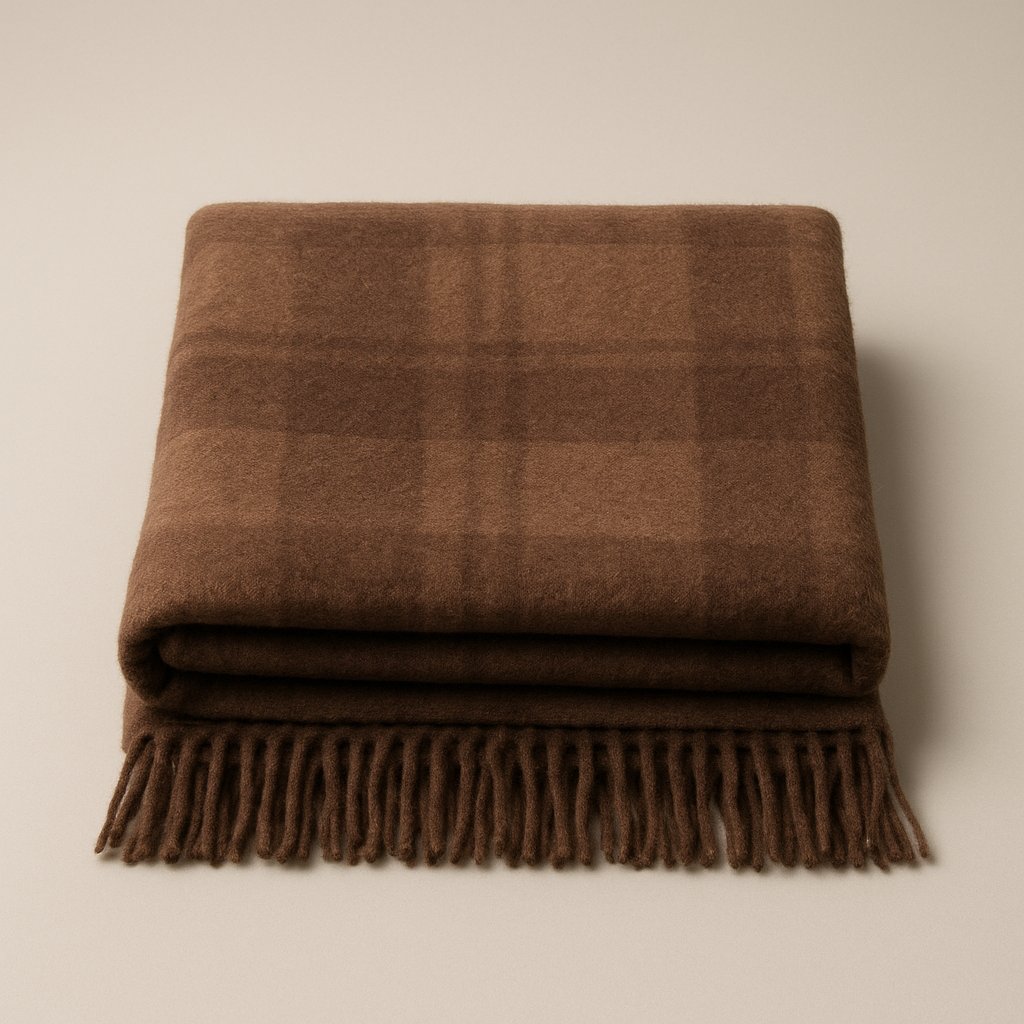
A 130 x 170 cm brushed throw in a quiet tonal cocoa check with short fringe.
£64.00
View productBasket
0 items in cart
Your cart is saved in this browser until you clear it. Need help now? Contact us on +441454 322698.